

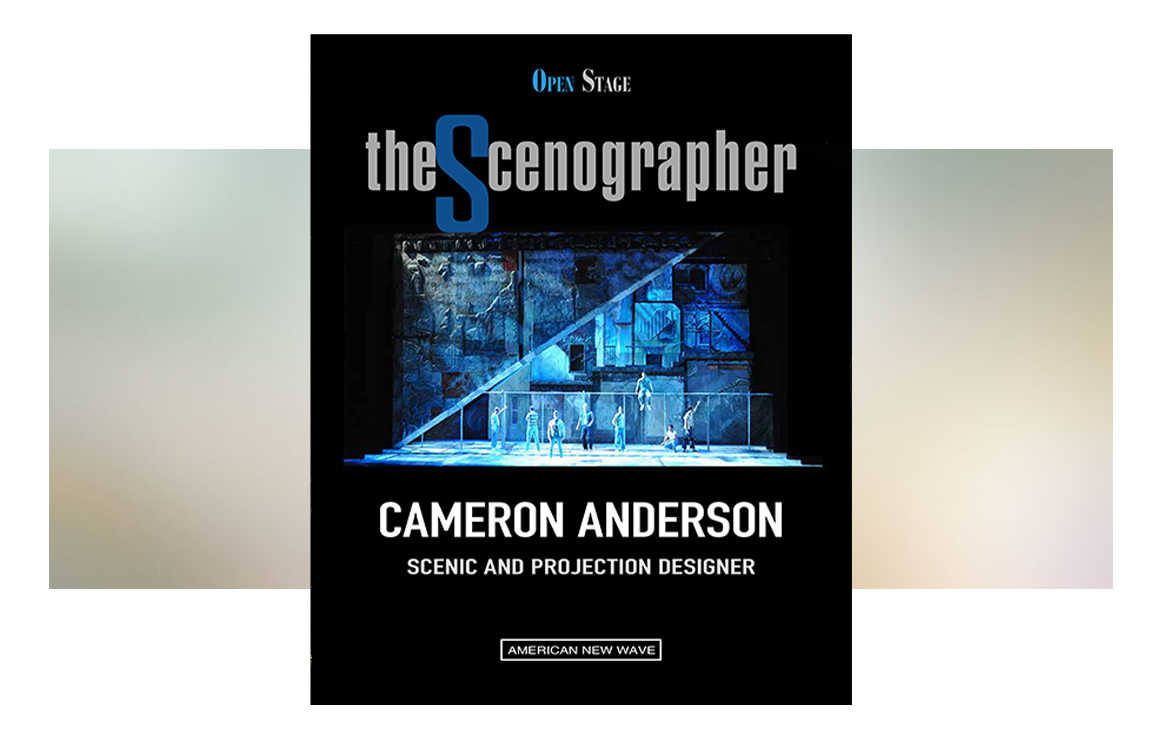
CAMERON ANDERSON / SCENIC AND PROJECTION DESIGNER
Cameron Anderson is an internationally acclaimed scenic designer who creates environments for theatre and opera rich in emotional resonance and symbolic meaning. In a professional career spanning more than two decades, Anderson has distinguished herself as a visual storyteller par excellence. The virtuosity of Anderson’s work is evidenced best by her expansive portfolio, which includes designs at many of the world’s leading theatre and opera companies. The environments Anderson creates reveal a keen understanding the impact can have on an audience. Anderson fully embraces the idea that audience members are co-creators of performance events and brings a similar understanding to her work with collaborators. Anderson’s commitment to using design and visual storytelling to herald new theatrical horizons and, indeed, make new worlds is especially reverberant in the exchange. So too is her boundless creativity, artistic integrity, and profound humanity. (ISAIAH MATTHEW WOODEN)
CONTENTS:
Interview by ISAIAH MATTHEW WOODEN (Director and Dramaturg and Assistant Professor of Theater at Swathmore College).
Contributors by ELEONOR BURGESS (Dramaturg); JEFFREY BUCHMAN (Director); NICOLAS BILLON (Librettist);
NICOLE LIZEE (Composer); TARA FAIRCLITH (Director); SARA INA MEYERS (Director); ERIC EINHORN (Director);
KEN CAZAN (Regista); DAVID MARTIN JACQUES (Lighting designer); D.M. WOOD (Lighting designer);
ALEX TIMBERS (Director and Dramaturg); JOSE MARIA CONDEMI (Director); MELIA BENSUSSEN (Director and Producer);
KIMBERLY SENIOR (Director), DIMITRI TROYANOVSKY (Director); ADRIANNE KRSTANSKY (Director).